
How to Care for Your Hair Extensions Between Appointments
Hair extension care should follow the method you wear and your stylist's instructions. Keep those directions close, use the tools your stylist recommends, and speak up if an attachment feels sore or loose. A routine for someone else's extensions may not fit yours.
At Wenzel Salon in Springfield, MO, we want you to leave knowing how to care for your extensions at home. Ask for a clear daily plan and a return date before you leave the chair.
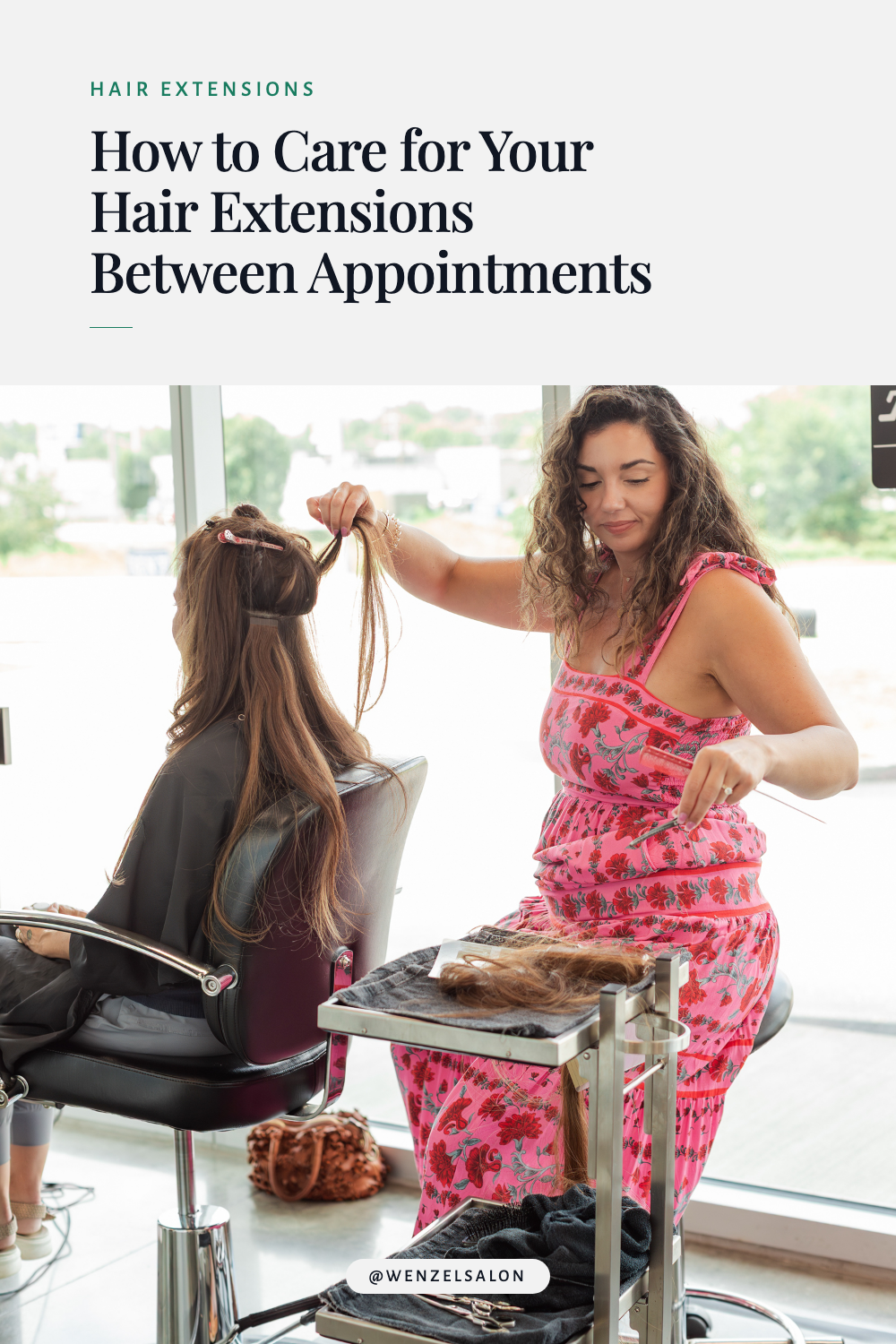
Make your daily hair extension care plan clear
Ask your stylist to show you how to brush your extensions. Hold the row while brushing gently so you do not pull on the attachment. Use the brush and method your stylist recommends for your installation.
If the brush catches or you find an area you cannot work through gently, stop and contact the salon. Do not tug harder or try to cut out an attachment. Tell your stylist where the problem is and when you first noticed it.
Keep your care tools in one place. If you travel, pack them before the last minute. Having the right brush and products nearby makes it more likely that you can follow the same routine away from home.
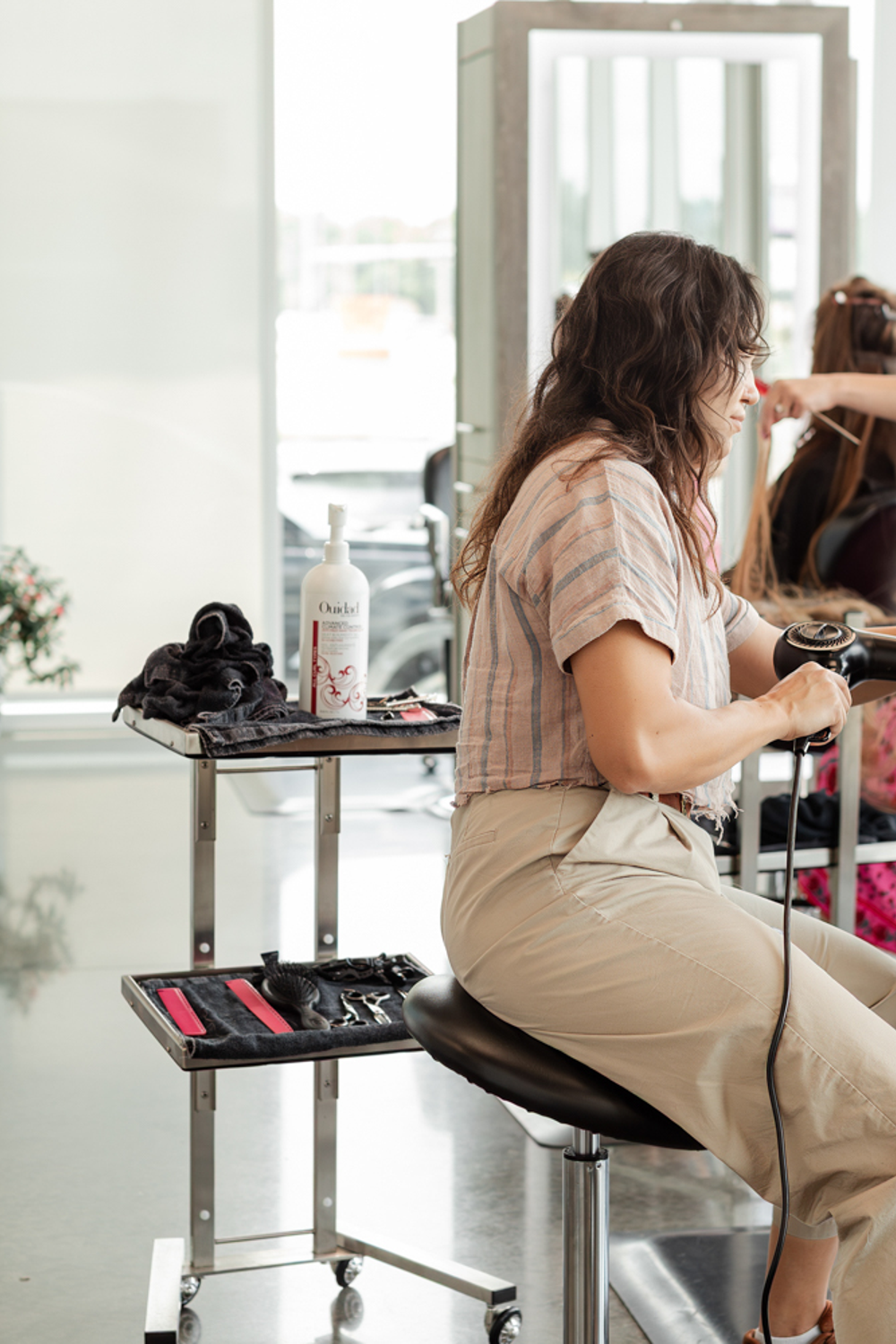
Follow the wash and drying instructions for your method
Ask how often to wash based on your scalp, activity, and the type of extensions you wear. Do not stretch the time between washes only because you saw a fixed schedule online. Your scalp still needs care.
Confirm which cleanser and conditioner to use, where to apply them, and which products to keep away from attachments. Ask your stylist to show you how to clean around the rows without pulling on them.
Follow the drying plan for the attachment area. Ask how to check that the rows are dry before bed. If you are unsure about a step, call the salon rather than trying a new method on your own.
Our guide to hand-tied extensions explains more about that option. If you are still choosing a method, start with our Springfield hair extensions guide.
Keep tension and comfort in view
Extensions should not be treated as something you must endure when they hurt. The American Academy of Dermatology's extension care guidance says pain or a headache can be a sign that a style is too tight.
Contact the salon if you feel pulling, soreness, or a change at an attachment. Describe the location and what you were doing when you noticed it. If you have ongoing scalp pain or signs of hair loss, seek care from a dermatologist.
The AAD's guide to styles that pull explains why ongoing tension matters. Ask your stylist which loose styles work with your installation. Do not assume a tight ponytail is safe because it keeps the hair out of the way.
Pack a care kit before a trip
Before you leave town, check that you have the tools and products from your care plan. Keep the list short and specific to your extensions:
- The brush your stylist recommends.
- Your approved cleanser and conditioner.
- The drying tools your method needs.
- Any sleep accessory your stylist recommends.
- The salon's contact details and your next appointment date.
If swimming is part of the trip, ask about it before you go. Follow the instructions for your extension hair and attachment method. Do not assume a general pool-care tip works for every set.
If you will be away when a move-up is due, contact the salon before travel. That gives you time to plan rather than waiting until a row feels loose far from home.
Plan overnight care and your next visit
Ask your stylist how to arrange your dry hair for sleep without pulling on the attachments. Follow the plan for your length and method. Check that any tie or covering feels comfortable.
Set your return date with the salon. Growth and the method you wear affect that timing, so use your own care plan rather than a fixed number of weeks from a general guide. Contact the salon sooner if something changes.
Use the current service menu as a starting point, then confirm the right maintenance booking. Tell the salon whether you need a routine visit or help with a specific concern.
Questions about caring for extensions
Which brush should I use?
Use the tool your stylist recommends for your method. Ask for a brushing demonstration before you leave the salon.
How often should I wash them?
Follow a plan based on your scalp and installation. Ask your stylist to adjust it if your activity or needs change.
What if an attachment feels sore?
Contact the salon promptly. Avoid pulling on it or trying to repair it yourself. Ongoing pain or hair loss needs medical attention.
Can I swim with extensions?
Ask before the trip. The extension hair and attachment method affect the care instructions you need.
When should I book a move-up?
Use the date your stylist recommends for your set. Book before leaving the salon when possible, and call sooner if a row feels loose.